Most companies have AI ideas floating around. Automate this process. Add analytics there. Build a recommendation engine. Create some generative assistants. But between the idea and an actual working system, there’s a gap that swallows plenty of projects whole.
Building systems that really work takes more than machine learning. You need software engineering to connect things, data infrastructure to feed the models, integration with whatever platforms already exist, and deployment pipelines that don’t break. That’s why businesses partner with technology firms that can turn AI concepts into systems that actually do something.
Why AI Ideas Often Fail Before Reaching Production
AI projects start with presentations. Someone shows slides. Builds a proof-of-concept. Everyone gets excited. Then reality hits. Data quality sucks. Infrastructure isn’t ready. Integration turns into a nightmare. Nobody planned for model maintenance. The gap between “it works in a notebook” and “it works in production” kills most ideas.
Common Barriers to Building Working AI Systems
Good ideas stall because of technical barriers nobody thought about up front. Systems have to work with existing data, existing platforms, and existing workflows. If the engineering architecture isn’t right, projects stop moving fast. Typical obstacles include:
- Limited data infrastructure for AI projects;
- Difficulty integrating models with existing systems;
- Lack of engineering support for deployment;
- Challenges scaling AI solutions;
- Ongoing maintenance of machine learning models.
These problems explain why companies reach for partners who have built real systems before.
How We Selected the Companies
AI companies play different roles. Some are software engineering partners. Some consult. Some sell platforms. For this list, we picked firms that help businesses build working AI systems, not just talk about them.
Selection Criteria
Building AI systems requires machine learning expertise, software engineering, and data infrastructure working together. Companies need experience with production environments, not just prototypes. The following criteria were used to evaluate companies:
- Experience building production AI systems;
- Strong software engineering capabilities;
- Integration with business platforms;
- Infrastructure for AI deployment;
- Experience with real business use cases.
These separate the firms that deliver from the ones that just pitch well.
1. Avenga
Avenga provides AI services as part of its broader software engineering work. They help businesses turn ideas into production systems, treating AI as one piece of the larger engineering puzzle rather than something separate.
AI System Development Capabilities
The company combines machine learning development, cloud infrastructure, and enterprise software engineering. That mix matters when you’re trying to build systems that actually run in production, not just demo well. They think about architecture, data, and what happens after launch. Key areas of expertise include:
- AI architecture and system design;
- Machine learning development;
- Integration of AI with enterprise platforms;
- AI data infrastructure;
- Cloud environments for AI deployment.
This builds systems that survive contact with real business operations.
2. Intellias
Intellias works on AI-enabled digital platforms. They’re a technology consulting and software engineering firm that treats AI as part of product development.
AI Product Engineering
The company builds AI into systems from the start, not as something bolted on later. They think about how models interact with interfaces, where data comes from, and what happens when things break. Their focus areas include:
- Machine learning product development;
- Predictive analytics systems;
- AI features for digital platforms;
- Computer vision applications.
A product-first approach means systems actually ship.
3. SoftServe
SoftServe is a global IT consulting and software engineering firm with serious AI depth. Healthcare, finance, manufacturing, retail. They’ve seen enough industries to know that AI ideas look different everywhere, but the engineering challenges repeat.
AI Consulting And Engineering
The company builds AI systems in environments where complexity is normal. Systems have history. Data lives in weird places. SoftServe brings both strategic thinking and engineering chops to that mess. Their focus areas include:
- Generative AI development;
- Natural language processing systems;
- Computer vision solutions;
- AI data platforms.
For organizations with existing infrastructure, they know how to add without breaking.
4. N-iX

N-iX is a technology consulting and software engineering firm with strong data engineering. Their AI work connects directly to platforms and analytics systems.
AI And Data Engineering
The company builds AI systems on a solid data infrastructure. They think about pipelines, scalability, and what happens when data volumes grow. That engineering focus means systems don’t fall over after launch. Core areas include:
- Machine learning development;
- Predictive analytics systems;
- Data engineering infrastructure;
- AI automation solutions.
For systems that depend on data, that foundation matters.
5. Itransition
Itransition is a software engineering and consulting company with full-cycle AI capabilities. They help businesses move from idea to implementation.
AI Implementation Expertise
The company covers the whole arc: figuring out what makes sense, building the models, connecting them to existing systems, and keeping everything running. Fewer handoffs means fewer things fall through cracks. Core areas include:
- AI consulting and strategy;
- Machine learning development;
- AI application integration;
- Predictive analytics platforms.
An end-to-end approach reduces the gaps where projects die.
6. Scale AI
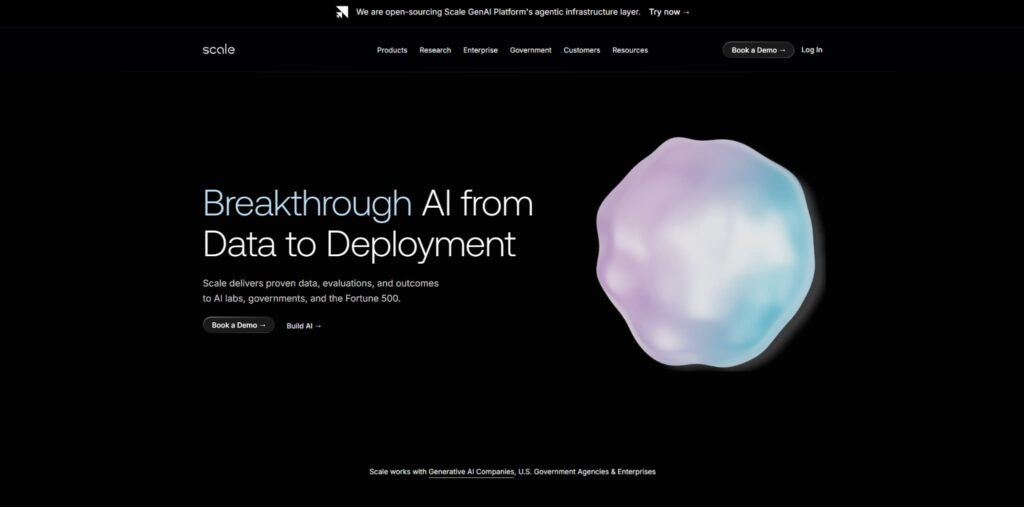
Scale AI provides infrastructure for AI model development. They’re not a services firm. They help companies build better training data pipelines.
AI Infrastructure For Model Development
The company focuses on the data side of building AI systems. Labeling platforms. Training data infrastructure. Pipelines for generative AI. Their stuff handles the grunt work so teams can focus on models. Core areas include:
- Training data infrastructure;
- AI data labeling platforms;
- Generative AI data pipelines;
- Machine learning data management.
For teams that need better data, Scale provides the foundation.
7. Seldon
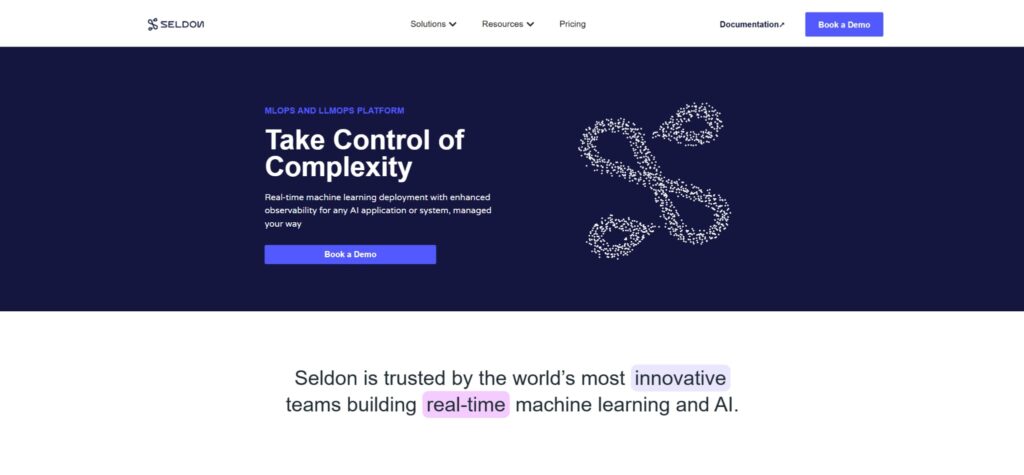
Seldon builds platforms for deploying and managing machine learning models. They focus on the operational side of AI systems.
AI Deployment Platforms
The company provides tools for getting models into production and keeping them there. Deployment systems. Model monitoring. MLOps infrastructure. Their platform handles what happens after the model is built. Core areas include:
- Machine learning deployment systems;
- Model monitoring platforms;
- MLOps infrastructure;
- AI model lifecycle management.
For organizations operationalizing AI, Seldon provides the tools.
Key Considerations Before Building AI Systems
Building AI systems isn’t just about models. It’s about data, infrastructure, and what happens after launch.
What Businesses Should Evaluate
According to our analysts, teams should assess these factors before starting:
- Data quality and availability;
- Integration with existing systems;
- Infrastructure for AI workloads;
- Engineering support for deployment;
- Monitoring of AI systems.
These determine whether systems actually work or just cause problems.
Final Thoughts
Turning AI ideas into working systems means bridging the gap between concepts and production. The companies above combine machine learning, software engineering, and data infrastructure to do exactly that. Pick the one that matches how your team builds.